Adaptation & Brain Adjustment Issues
Why your brain needs time to adjust — and what patients should expect in the first 30 days
Buying hearing aids is a major step toward better hearing, but the journey doesn’t end the day you take them home.
One of the most common challenges new users face is adaptation — the process where the brain re-learns how to hear.
Most patients assume hearing aids work like spectacles:
“Wear them and everything becomes clear instantly.”
But hearing doesn’t work like vision.
Hearing involves the ear + brain, and when the brain has been deprived of sound for years, it needs time to adjust.
This blog explains the most common adaptation issues, why they happen, and how long they last.
1. Why Adaptation Happens: The Brain Needs Time to Re-Learn Sound
When someone has hearing loss for years, the brain stops receiving certain sounds — especially high-frequency sounds like:
- Birds chirping
- Paper rustling
- Footsteps
- Fan / AC noise
- Water running
- Soft speech consonants (S, F, Th, Sh)
When hearing aids restore these sounds, the brain suddenly receives a flood of information it had forgotten.
This can feel overwhelming at first.
This is normal.
This is expected.
This is temporary.
2. Common Adaptation Issues Patients Experience
2.1 “My own voice sounds loud, echoey, or strange.”
This is called the own‑voice effect or occlusion.
It happens because the brain is not used to hearing your natural voice through the hearing aid microphones.
Why it happens
- Ear canal is now partially closed by the dome/mold
- Brain is hearing your voice differently after years
- Amplification makes your voice sound fuller
How long it lasts
Usually 3–14 days.
2.2 “Everything sounds too sharp or too bright.”
High-frequency sounds return suddenly, and the brain finds them “unnatural”.
Why it happens
- Brain has forgotten these sounds
- Hearing aids amplify high frequencies for speech clarity
- New users are sensitive to sharp sounds
How long it lasts
Typically 1–3 weeks.
2.3 “I hear background noise more than speech.”
This is the #1 complaint of new users.
Why it happens
- Brain has forgotten how to filter noise
- Hearing aids amplify all sounds initially
- Noise reduction algorithms need time + fine tuning
How long it lasts
Improves significantly in 2–4 weeks with consistent use.
2.4 “I feel tired after wearing them.”
This is called listening fatigue.
Why it happens
- Brain is working harder to process new sounds
- Neural pathways are reactivating
- Cognitive load increases temporarily
How long it lasts
Usually 7–20 days.
2.5 “Everything feels too loud.”
Even normal sounds like utensils, doors, and footsteps may feel exaggerated.
Why it happens
- Brain is not used to normal loudness
- Hearing aids restore natural volume
- Sensory overload occurs initially
How long it lasts
Improves within 1–2 weeks.
3. How Technology Level Affects Adaptation
Basic Technology
- Limited noise reduction
- Fixed directionality
- More overwhelming in noisy places
- Longer adaptation time
Mid-Level Technology
- Adaptive microphones
- Better noise control
- Faster brain adjustment
- More comfortable in mixed environments
Premium Technology
- AI-based noise reduction
- Deep Neural Network (DNN) processing
- 360° speech tracking
- Easiest and fastest adaptation
- Most natural sound
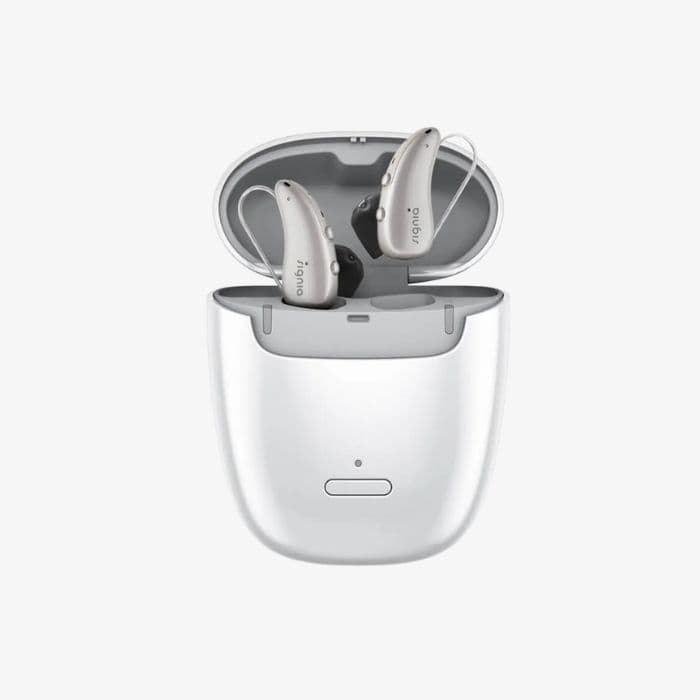
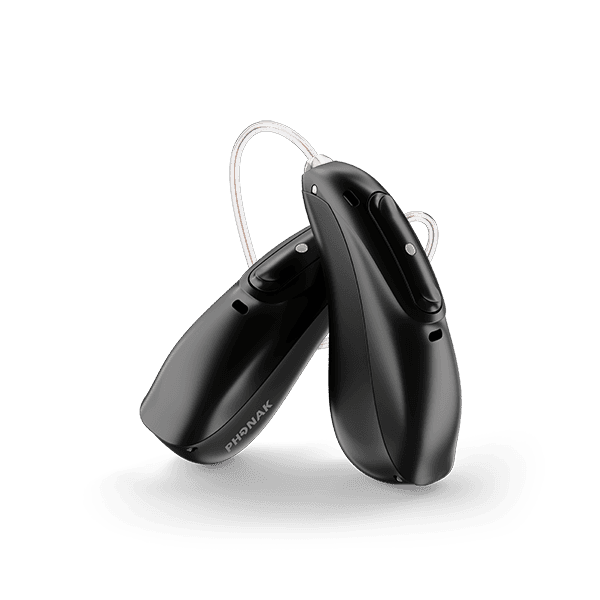
Premium devices from Signia, Phonak, ReSound, and Bernafon are specifically designed to reduce listening effort and speed up brain adaptation.
4. Adaptation Timeline (What Patients Should Expect)
| Time Period | What Happens |
| Day 1–3 | Sounds feel strange, sharp, loud. Own voice feels odd. |
| Week 1 | Brain starts adjusting. Noise becomes less irritating. |
| Week 2 | Speech clarity improves. Fatigue reduces. |
| Week 3–4 | Brain filters noise better. Comfort increases. |
| 1–3 months | Hearing becomes natural. Brain fully adapts. |
5. How Fairfield Hearing Clinics Helps Patients Adapt Faster
We use a structured adaptation protocol:
- Gradual gain increase
- Real-ear measurement (REM)
- Fine tuning based on lifestyle
- Noise reduction adjustments
- Own-voice calibration (Signia OVP, Phonak SmartSpeech, ReSound All-Access)
- Weekly follow-ups during the first month
This ensures patients adapt comfortably and confidently.
📌 FAQs: Adaptation & Brain Adjustment Issues
1. How long does it take to get used to hearing aids?
Most patients adapt within 2–4 weeks, but full adjustment may take up to 3 months.
2. Why does my own voice sound loud or strange?
This is normal.
Your brain is re-learning how your voice sounds after years of hearing loss.
It improves within a few days to weeks.
3. Why do I hear background noise more than speech?
Your brain has forgotten how to filter noise.
With consistent use, the brain re-learns this skill.
4. Will premium hearing aids reduce adaptation problems?
Yes.
Premium devices use AI and deep learning to make sound more natural and reduce listening effort.
5. Why do I feel tired after wearing hearing aids?
Your brain is processing new sounds.
This “listening fatigue” is temporary and improves with daily use.
6. Should I wear hearing aids all day during the adaptation period?
Yes — at least 8–10 hours/day.
The more you wear them, the faster your brain adapts.
7. Why do normal sounds feel too loud?
Because your brain has forgotten what “normal loudness” feels like.
This settles within 1–2 weeks.
8. Can hearing aids be adjusted to reduce discomfort?
Absolutely.
Fine tuning, noise reduction adjustments, and dome changes can significantly improve comfort.
9. Is it normal to feel overwhelmed in the first week?
Yes.
Every new user experiences this.
It is part of the brain’s natural adaptation process.
10. When should I contact my audiologist?
If discomfort persists beyond 2–3 weeks, or if you experience pain, whistling, or sudden changes in sound.