Choosing a hearing aid is not just a purchase—it’s a life‑changing decision. With so many brands, features, and price points, it’s easy to feel overwhelmed. This guide breaks down the most important points every patient should understand before finalising a hearing aid, so you can make a confident and informed choice.
1. Understand Your Type and Degree of Hearing Loss
- Every hearing loss is unique.
- Your audiogram reveals whether your loss is mild, moderate, severe, or profound.
- The type of loss (sensorineural, conductive, or mixed) influences which hearing aid models will work best.
- Always start with a professional hearing evaluation.
2. Know the Different Hearing Aid Styles
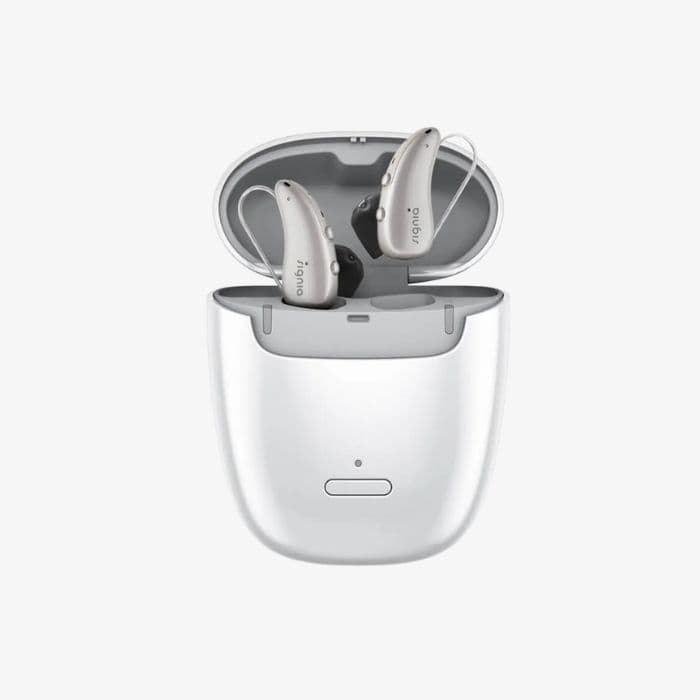
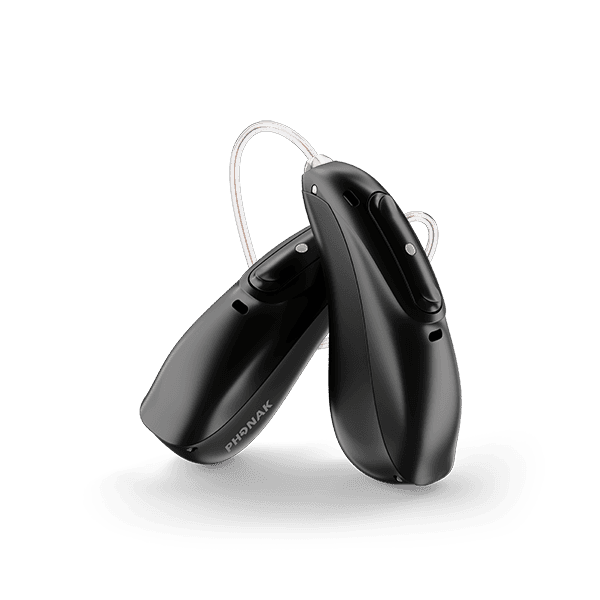
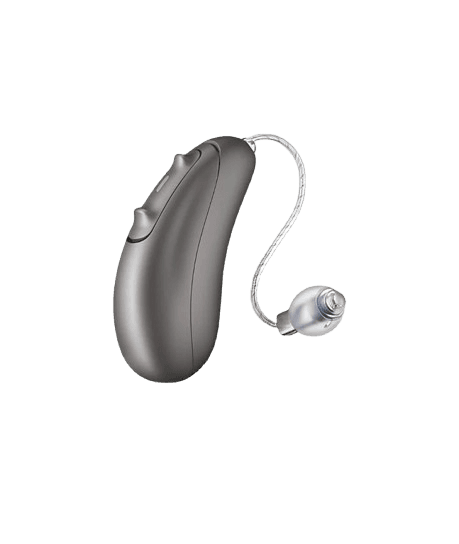
- RIC (Receiver-in-Canal): Most popular, comfortable, and natural-sounding.
- BTE (Behind-the-Ear): Suitable for all ages and severe losses.
- ITE/ITC/CIC (In-the-Ear options): More discreet but may have fewer features.
- Style affects comfort, visibility, and performance—choose what fits your lifestyle, not just appearance.
3. Focus on Sound Quality, Not Just Features
- Speech clarity in noise is the real test of a good hearing aid.
- Look for advanced noise reduction, directionality, and feedback control.
4. Check Connectivity and Compatibility
- Modern hearing aids connect to smartphones, TVs, and laptops.
- Features like Bluetooth, Made-for-iPhone/Android, and Auracast can improve daily convenience.
- Ensure compatibility with your phone model and preferred apps.
5. Understand Battery Options
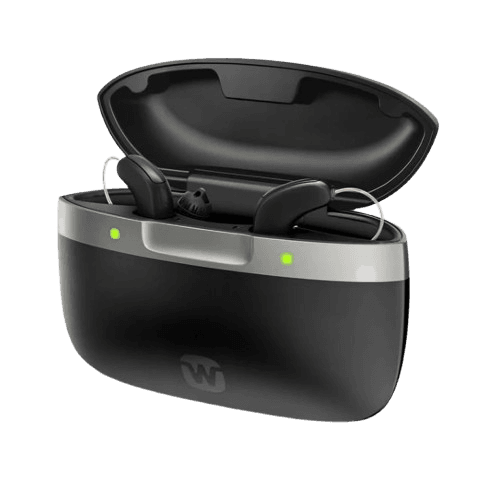
- Rechargeable: Convenient, eco-friendly, and ideal for daily users.
- Disposable: Useful for those who prefer quick replacements or travel often.
- Choose based on your routine and comfort.
6. Evaluate Comfort and Fit
- A hearing aid should feel natural after a short adjustment period.
- Custom earmolds may be needed for better comfort or severe losses.
- Never ignore discomfort—proper fit is essential for long-term use.
7. Compare Brands, But Don’t Get Lost in Marketing
- Every brand has strengths, but the right choice depends on your hearing profile.
- Focus on performance, reliability, and after-sales support rather than flashy names.
- Ask your provider for a comparison chart to understand differences clearly.
8. Consider After-Sales Service and Warranty
- Hearing aids require regular cleaning, tuning, and maintenance.
- Check warranty duration, service availability, and repair turnaround times.
- A good clinic should offer follow-ups, counselling, and long-term support.
9. Understand the Total Cost
- Price varies based on technology level, brand, and features.
- Ask for a transparent breakdown: device cost, fitting charges, accessories, and service packages.
- Remember: the cheapest option is not always the most effective.
10. Take a Trial Before Finalising
- Most clinics offer a trial period—use it wisely.
- Test the hearing aid in real-life situations: conversations, traffic, TV, restaurants.
- Note comfort, clarity, and ease of use before making your final decision.
11. Set Realistic Expectations
- Hearing aids improve hearing, but they don’t restore it to “perfect.”
- Your brain needs time to adjust to new sounds.
- Consistent use and follow-up tuning sessions lead to the best results.
12. Choose a Trusted Hearing Care Professional
- A skilled audiologist or hearing specialist makes all the difference.
- Look for someone who listens, explains clearly, and offers personalised solutions.
- Good guidance is as important as the device itself.
Conclusion
Selecting a hearing aid is a journey—one that becomes easier when you know what to look for. By focusing on your hearing needs, lifestyle, comfort, and long-term support, you can choose a device that truly enhances your quality of life.