A Complete Guide to Digital Hearing Aid Price in India
When patients search for hearing aid price or digital hearing aid price, they often wonder why one model costs ₹25,000 while another goes up to ₹8,00,000. The truth is: hearing aids are not just amplifiers. They are miniature medical‑grade computers with advanced sound processing, AI, wireless connectivity, and customisation capabilities.
After analysing the latest 2025–2026 price lists from Widex, Phonak, ReSound, and Signia, here’s a clear, patient‑friendly explanation of what drives hearing aid pricing—and how to choose wisely.
1. Technology Level: The Biggest Driver of Hearing Aid Price
Every brand—Widex (440/330/220/110), Phonak (90/70/50/30), ReSound (9/7/5/4), Signia (7/5/3/2/1)—uses technology tiers.
Higher tiers offer:
- Better speech clarity in noise
- Faster processors
- More channels for fine tuning
- Advanced AI personalisation
- Superior noise reduction
- Better music processing
- More natural sound quality
For example:
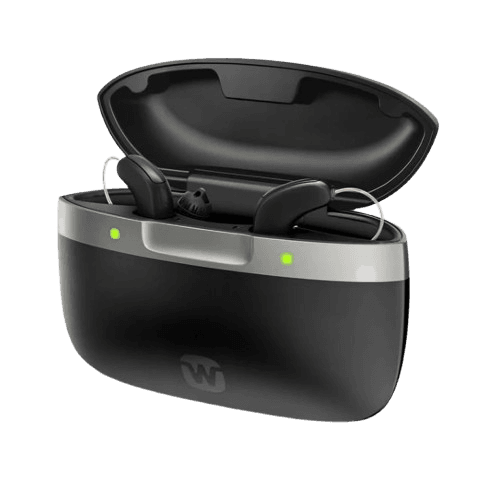
- Widex Moment 440 uses PureSound™ with <0.5 ms processing—industry‑leading speed.
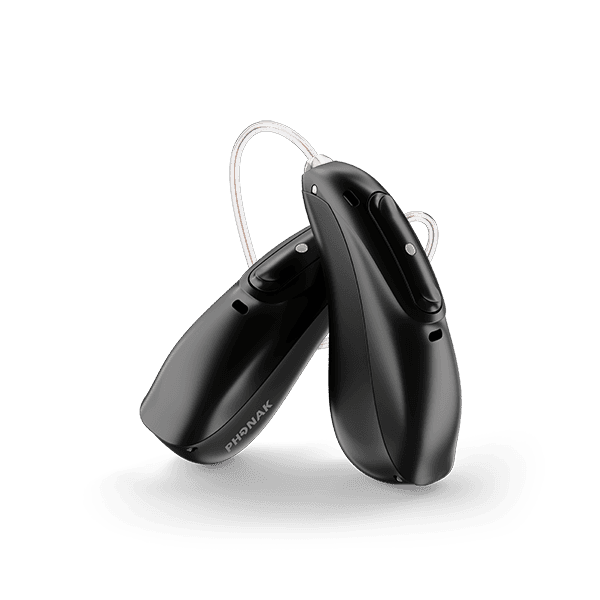
- Phonak Infinio 90 Sphere uses Dual-Chip Spheric Speech Clarity with DNN processing.
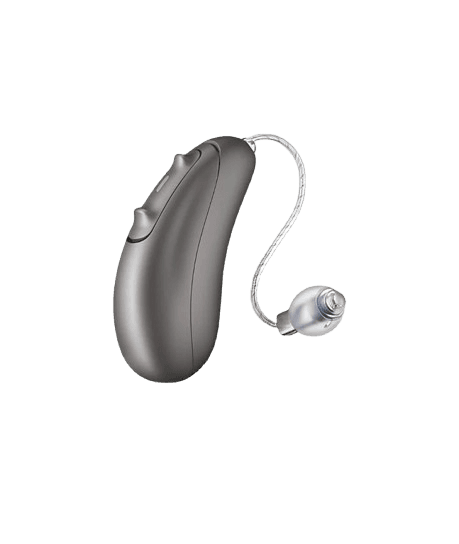
- ReSound Vivia 9 uses New DNN Chip with 3.9 million Tuned Sound Parameters for natural localisation.
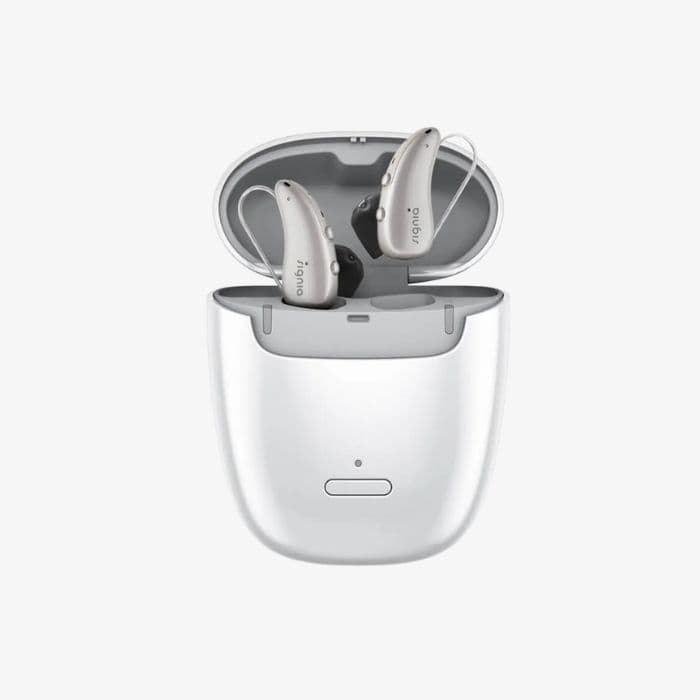
- Signia IX 7 uses RealTime Conversation Enhancement for multi‑talker tracking.
Higher technology = higher price = better performance in real‑life listening.
2. Rechargeable vs. Battery Models
Rechargeable lithium‑ion models cost more because they include:
- Built‑in Li‑ion battery
- Fast charging
- All‑day battery life
- Wireless streaming support
- Premium chargers
Across brands:
- Rechargeable RIC kits often cost ₹1,00,000–₹8,50,000
- Battery‑based CIC/ITC models start lower, around ₹25,000–₹1,50,000
3. Form Factor (RIC, BTE, CIC, IIC)
Smaller custom devices (CIC/IIC) require:
- Precision 3D ear impressions
- Custom shells
- Miniaturised components
This increases cost.
Examples from the pricelists:
- Phonak Virto I90 Rechargeable: ₹6,30,000 per Kit of Two Hearing Aid with a Charger
- ReSound Nexia 9 ITC Rechargeable: ₹4,34,995 per unit
- Widex CIC 440: ₹3,15,000 per unit
The smaller the device, the more engineering required.
4. AI & Sound Processing Capabilities
Modern digital hearing aids use AI to adapt in real time.
Examples from the pricelists:
- Widex MySound 2.0 – AI‑based personalisation
- Phonak AutoSense OS 6.0 – automatic environment detection
- ReSound DNN chip – trained on 13.5 million real‑life sounds
- Signia RealTime Conversation Enhancement – tracks multiple speakers
More advanced AI = higher digital hearing aid price.
5. Connectivity & Streaming Features
Bluetooth features significantly influence pricing:
- Hands‑free calling
- Dual‑device connectivity
- Auracast™ support
- TV streaming
- Remote fine‑tuning
Brands like Phonak and ReSound offer universal Bluetooth, while Widex and Signia offer MFi + ASHA + LE Audio.
More connectivity = higher cost.
6. Accessories & Chargers
Chargers, TV streamers, remote mics, and CROS devices add to the total investment.
Examples:
- Phonak ChargerGo: ₹17,000
- Widex SmartRIC Charger: included in kit
- ReSound Desktop Charger: included in premium kits
- Signia StreamLine Mic: additional cost
7. Warranty & After‑Care
Premium models offer:
- 2–4 years warranty
- Free servicing
- Remote support
- Replacement coverage
This is built into the price.
9. Brand Philosophy & R&D Investment
Each brand invests differently in research:
- Widex focuses on natural sound and ultra‑fast processing
- Phonak leads in universal Bluetooth and speech‑in‑noise
- ReSound pioneers M&RIE and Auracast
- Signia leads in multi‑talker AI and sleek design
Premium R&D = premium pricing.
Typical Hearing Aid Price Range in India (2025–2026)
How to Choose the Right Hearing Aid
Instead of focusing only on price, consider:
- Your hearing loss level
- Your lifestyle (quiet vs. noisy environments)
- Your need for Bluetooth
- Your comfort with small devices
- Your budget
At Fairfield Hearing Clinics, we help you compare Widex, Phonak, ReSound, and Signia models objectively so you can choose the best value—not just the highest price.
Final Thoughts
The variation in hearing aid price or digital hearing aid price is not random. It reflects differences in:
- Technology
- Sound processing
- AI capabilities
- Form factor
- Connectivity
- Warranty
- Brand innovation
A higher price often means better performance in real‑life listening, especially in noise.
Comparison Chart: Signia vs Phonak vs Widex vs ReSound
| Feature / Parameter | Signia | Phonak | Widex | ReSound |
|---|---|---|---|---|
| Flagship Platform | IX / AX | Infinio / Lumity | Moment / SmartRIC | Vivia/Nexia |
| Sound Philosophy | Bright, sharp, speech‑focused | Balanced, universal, adaptive | Natural, soft, ultra‑clean | Warm, comfortable, spatially open |
| Best Known For | Own Voice Processing, Beamforming | Universal connectivity, AutoSense OS | Pure natural sound, low distortion | M&RIE microphone-in-ear, spatial awareness |
| Speech-in-Noise Performance | Excellent (beamforming + split processing) | Excellent (AutoSense + directional mics) | Very good (ZeroDelay + PureSound) | Very good (M&RIE + All Access Directionality) |
| Noise Reduction Strength | Strong | Strong | Moderate–Strong | Moderate–Strong |
| Connectivity | iOS + Android (ASHA + LE Audio) | iOS + Android (classic Bluetooth) | iOS + Android (ASHA) | iOS + Android (ASHA + LE Audio) |
| Call Quality | Very good | Best-in-class (true hands‑free on most phones) | Good | Very good |
| Rechargeability | Lithium-Ion | Lithium-Ion | Lithium-Ion | Lithium-Ion |
| Unique Strengths | OVP for natural own‑voice, Signia Assistant (AI) | Universal Bluetooth, Roger system | Most natural sound, lowest delay | M&RIE for immersive sound, strong tinnitus features |
| Tinnitus Features | Yes (Notch Therapy) | Yes | Yes | Excellent (Tinnitus Sound Generator + Nature Sounds) |
| App Quality | Strong, AI‑driven | Strong, stable | Clean, simple | Very strong, intuitive |
| Ideal For | Professionals, active users, speech‑heavy environments | Users needing connectivity, phone calls, noisy environments | Music lovers, sensitive ears, natural sound seekers | First‑time users, tinnitus patients, comfort‑focused users |
Quick Brand Positioning (Patient-Friendly)
Signia
Great for people who want crisp speech clarity, advanced AI features, and a modern design.
Phonak
Perfect for users who want the best connectivity, hands‑free calling, and strong performance in noise.
Widex
Ideal for those who prefer natural, soft, low‑distortion sound, especially musicians or sensitive listeners.
ReSound
Best for users who want comfort-first sound, tinnitus relief, and immersive spatial hearing with M&RIE.
Frequently Asked Questions (FAQs) About Hearing Aid Prices
1. Why do hearing aid prices vary so much between brands?
Hearing aid prices differ because each brand invests differently in technology, AI processing, sound quality, connectivity, and design.
For example:
- Widex focuses on natural sound with ultra‑low delay
- Phonak invests heavily in universal Bluetooth and speech‑in‑noise
- Signia leads in multi‑talker AI and own‑voice processing
- ReSound specialises in spatial hearing with M&RIE
More advanced technology = higher price.
2. What is the average digital hearing aid price in India?
Here’s a general range:
| Category | Price Range (₹) |
|---|---|
| Entry‑level | 25,000 – 60,000 |
| Mid‑range | 60,000 – 1,50,000 |
| Upper mid‑range | 1,50,000 – 3,00,000 |
| Premium | 3,00,000 – 8,50,000 |
Premium models offer the best clarity in noise, AI features, and connectivity.
3. Are expensive hearing aids always better?
Not always — but premium models perform significantly better in noisy environments, especially for working professionals, social individuals, and older adults with complex hearing loss.
However, the “best” hearing aid is the one that matches your hearing loss, lifestyle, and budget.
4. Why are rechargeable hearing aids more expensive?
Rechargeable models include:
- Lithium‑ion battery
- Fast charging
- All‑day streaming
- Premium chargers
They offer convenience and long‑term savings, which increases the upfront price.
5. Do all hearing aids support Bluetooth?
No.
- Phonak offers the most universal Bluetooth (Android + iPhone + laptops).
- Signia, Widex, Bernafon and ReSound support iPhone + Android (ASHA) + LE Audio depending on model.
Entry‑level models may not include Bluetooth.
6. Why are custom CIC/IIC hearing aids more expensive?
Because they require:
- 3D ear impressions
- Custom shells
- Miniaturised components
- Precision engineering
Smaller size = higher manufacturing complexity.
7. How long do hearing aids last?
Most digital hearing aids last 5–7 years with proper care.
Rechargeable batteries may need replacement after 3–4 years.
8. Do hearing aids come with warranty?
Yes.
Most brands offer:
- 2 years standard warranty
- Optional extended warranty
- Free servicing and repairs
Premium models often include 3–4 years warranty.
9. Are hearing aids covered by insurance?
In India, most insurance plans do not cover hearing aids.
Some corporate policies may offer partial reimbursement.
10. How do I choose the right hearing aid?
Consider:
- Your hearing test results
- Your daily listening environments
- Your need for Bluetooth or rechargeability
- Your budget
- Your comfort with size and visibility
A professional trial and counselling session is essential before finalising.
11. Why do two hearing aids cost more than one?
Because each device is a separate medical instrument.
However, many brands offer kit pricing, where two devices + charger are bundled at a lower combined cost.
12. What is the difference between digital and analogue hearing aids?
Modern hearing aids are 100% digital.
Digital hearing aids use:
- AI
- Noise reduction
- Directional microphones
- Bluetooth
- Real‑time processing
Analogue hearing aids are outdated and no longer recommended.
13. Can I buy hearing aids online?
You can, but it is not recommended.
Hearing aids require:
- Audiometry
- Real‑ear measurement
- Custom fitting
- Follow‑up fine‑tuning
Buying online often leads to poor results and wasted money.
14. Do hearing aids work immediately?
Yes — but your brain needs 2–6 weeks to fully adapt to new sounds.
This is called auditory acclimatisation.
15. What affects the long‑term cost of hearing aids?
- Servicing
- Domes and filters
- Receivers
- Battery replacements (for non‑rechargeable models)
- Accessories like TV streamers or remote mics
Rechargeable models reduce long‑term battery costs.