Understanding Technology Levels of Hearing Aids: Basic vs Mid‑Level vs Premium (A Complete Guide)
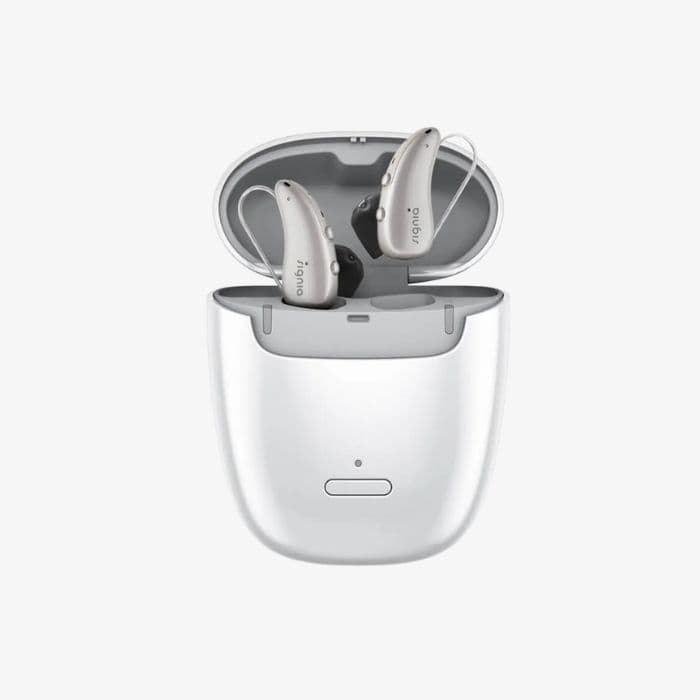
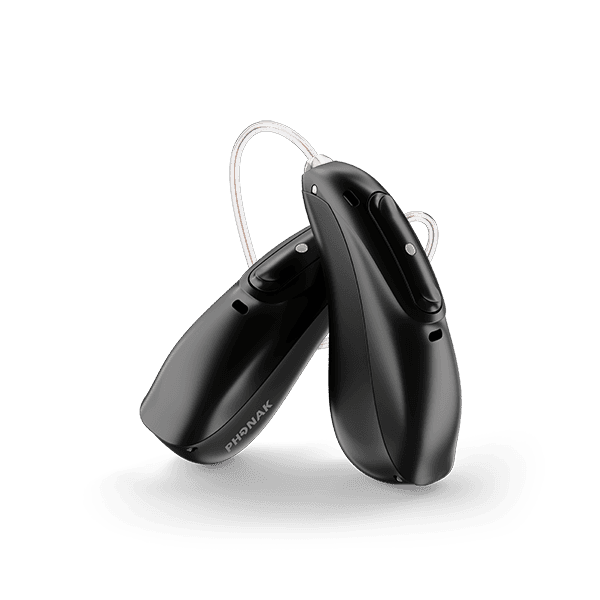
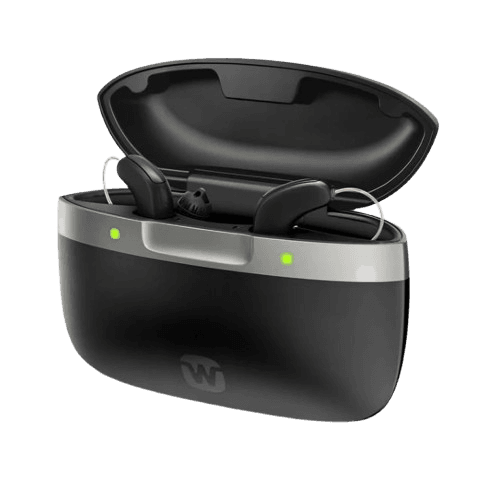
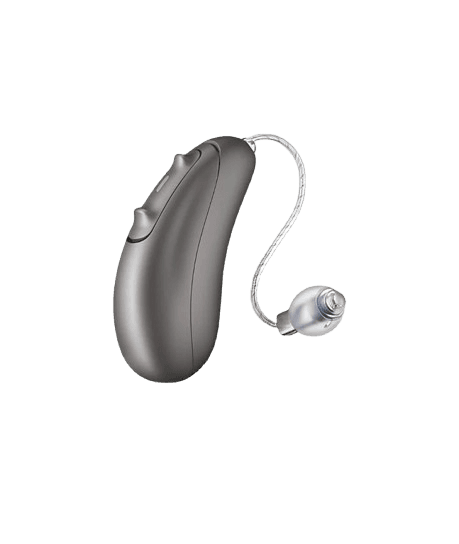
A clear, practical comparison based on real features from Signia, Phonak, Unitron, ReSound & Bernafon
Choosing a hearing aid today is not just about “volume”—it’s about technology, comfort, and how naturally you want to hear in your daily life. Modern digital hearing aids come in different technology levels, and each level offers a different experience depending on your lifestyle, age, and listening needs.
To make this simple, we classify hearing aids into three broad categories based on their MRP for a pair:
| Category | Price Range (Pair MRP) | Ideal For |
|---|---|---|
| Basic | Up to ₹1,50,000 | Quiet lifestyle, home use, senior citizens |
| Mid‑Level | ₹1,60,000 – ₹3,50,000 | Mixed lifestyle, office + home, social gatherings |
| Premium | Above ₹3,50,000 | Active lifestyle, heavy social interaction, best speech clarity, AI features |
This blog explains what each level offers, and what extra you get as you move upward.
1. BASIC TECHNOLOGY HEARING AIDS (Up to ₹1,50,000 per pair)
Essential clarity for everyday conversations
Basic-level hearing aids from Signia, Phonak, ReSound, and Bernafon include the entry and lower-mid tiers of their platforms (e.g., Signia 1/2 IX, Phonak Infinio 30/50, Unitron Moxi S3/S5, Bernafon Encanta 1 /Alpha1 & 3, ReSound Vivia 3/5).
What Basic Hearing Aids Offer
These devices provide core amplification and are ideal for patients who spend most of their time in quiet environments.
Key features typically include:
- Digital noise reduction (basic level)
- Directional microphones (fixed directionality)
- Feedback cancellation
- Basic speech enhancement
- Bluetooth streaming (in most models)
- Rechargeable options available
- App control (limited adjustments)
Where Basic Hearing Aids Work Well
- One‑to‑one conversations
- Watching TV
- Talking on the phone
- Quiet home environments
Limitations
- Struggle in restaurants, markets, family gatherings
- Limited ability to separate speech from background noise
- No advanced AI or deep-learning processing
Best suited for:
Senior citizens, homemakers, or anyone with a quiet lifestyle who wants clear sound without advanced features.
2. MID‑LEVEL TECHNOLOGY HEARING AIDS (₹1,60,000 – ₹3,50,000 per pair)
A major upgrade: better noise handling, better speech clarity, smarter processing
Mid-level hearing aids include mid-tier technology from all major brands (e.g., Signia 3/5 IX, Phonak Infinio 70, Unitron Moxi S7, ReSound Vivia 7, Bernafon Encanta 2 & Encanta 3).
This category is where patients start to feel the difference.
What Extra You Get Compared to Basic
Mid-level devices add intelligence to the hearing experience:
- Adaptive directionality
- Microphones automatically adjust based on where speech is coming from.
- Better noise reduction
- Handles restaurants, traffic, office noise more effectively.
- Improved speech clarity
- Especially in group conversations.
- More processing channels
- Finer tuning for your audiologist.
- Wind noise reduction
- Echo control (useful in halls, temples, offices)
- Better Bluetooth stability
- Rechargeable batteries with longer life
Brand-Specific Mid-Level Enhancements
- Signia 5 IX – Better spatial awareness, Own Voice Processing 2.0
- Phonak Infinio 70 – Improved SpeechSensor for 360° speech detection
- ReSound Vivia 7 – Natural sound with All-Access Directionality
- Bernafon Encanta 3 – Hybrid Noise Management + better speech balancer
Who Should Choose Mid-Level
- Working professionals
- People who attend meetings
- Socially active individuals
- Patients who want comfort + clarity without going to premium
This category offers the best value for money for most patients.
3. PREMIUM TECHNOLOGY HEARING AIDS (Above ₹3,50,000 per pair)
The highest clarity, comfort, and AI-powered performance available today
Premium hearing aids include the top-tier technology from each brand (e.g., Signia 7 IX, Phonak Lumity 90 / Infinio Sphere 90, ReSound Vivia 9 / Enzo IA, Bernafon Encanta 5).
This is where AI, machine learning, and deep neural networks come into play.
What Extra You Get Compared to Mid-Level
Premium devices offer maximum clarity in the toughest environments, including:
- AI-based noise reduction
- Learns your environment and adjusts automatically.
- Deep Neural Network (DNN) speech processing
- Trained on millions of real-life sound samples.
- 360° speech tracking
- Automatically focuses on the speaker, even if they move.
- Best-in-class background noise suppression
- Wind, traffic, crowd, and sudden noise management
- Spatial awareness with 3D sound
- Most natural own-voice processing
- Advanced Bluetooth LE Audio (in newer platforms)
- Hands-free calling (brand dependent)
- Automatic environment classification (up to 20+ environments)
Brand-Specific Premium AI Features
Signia 7 IX
- RealTime Conversation Enhancement
- 4D binaural processing
- Own Voice Processing 2.0
- Best for group conversations and restaurants
Phonak Infinio Sphere 90 / 70
- SmartSpeech Technology
- StereoZoom 2.0
- SpeechSensor for 360° speech pickup
- Best for speech clarity in noise
ReSound Vivia 9 / Enzo IA
- Organic Hearing Philosophy
- All-Access Directionality
- Ultra Focus for extreme noise
- Best for natural sound lovers
Bernafon Encanta 4
- Hybrid Sound Processing
- Hybrid Noise Management
- Best for comfort + clarity balance
Who Should Choose Premium
- Business professionals
- People who attend events, conferences, meetings
- Socially active individuals
- Patients with high expectations for clarity
- Anyone who wants the most natural, effortless hearing
Premium hearing aids are the closest to normal hearing that technology can currently offer.
Summary Table: What Changes as You Move Up
| Feature | Basic | Mid-Level | Premium |
|---|---|---|---|
| Noise Reduction | ✓ Basic | ✓✓ Strong | ✓✓✓ AI-powered |
| Speech Clarity | ✓ | ✓✓ | ✓✓✓ Best-in-class |
| Directionality | Fixed | Adaptive | 360° AI tracking |
| Bluetooth | Standard | Stable + better | LE Audio + hands-free |
| AI Features | None | Limited | Full AI + DNN |
| Environment Handling | Quiet | Moderate | Complex + noisy |
| Personalization | Limited | Good | Maximum |
Final Advice for Patients
Choosing the right hearing aid is not about “expensive vs cheap”—it’s about matching technology to your lifestyle.
- If you stay mostly at home → Basic
- If you have a mixed lifestyle → Mid-Level
- If you want the best clarity in all environments → Premium
Your hearing care professional will help you choose the right level based on:
- Your age
- Your daily listening environments
- Your hearing test results
- Your comfort with technology
- Your budget
FAQs: Technology Levels of Hearing Aids (Basic vs Mid vs Premium)
1. What is the main difference between Basic, Mid‑Level, and Premium hearing aids?
The difference lies in technology, not loudness.
- Basic hearing aids offer essential amplification for quiet environments.
- Mid‑Level devices add better noise reduction, adaptive microphones, and improved speech clarity.
- Premium hearing aids use AI, deep learning, and 360° speech tracking for the most natural hearing in all environments.
2. Are Premium hearing aids worth the extra cost?
Yes, if you are socially active, attend meetings, travel, or struggle in noisy places. Premium devices offer:
- AI‑based noise reduction
- Best speech clarity
- Automatic environment adaptation
- Most natural sound quality
Patients who upgrade from mid‑level to premium often report less listening effort and better comfort in noise.
3. Do Basic hearing aids work well for senior citizens?
Yes. Basic hearing aids are ideal for:
- Home use
- One‑to‑one conversations
- TV watching
- Phone calls
If the patient rarely goes to noisy places, Basic technology is usually sufficient.
4. What extra features do Mid‑Level hearing aids offer?
Mid‑Level devices add:
- Adaptive directionality
- Stronger noise reduction
- Better speech clarity in groups
- Wind noise control
- More fine‑tuning channels
They are the best value for money for working professionals and socially active individuals.
5. What AI features do Premium hearing aids have?
Premium devices from Signia, Phonak, ReSound, and Bernafon include:
- AI noise reduction
- Deep Neural Network (DNN) speech processing
- 360° speech tracking
- Automatic environment classification
- Advanced Bluetooth LE Audio
These features make conversations effortless even in restaurants, markets, and meetings.
6. Do all hearing aids come with Bluetooth?
Most modern hearing aids — even Basic models — support Bluetooth for:
- Phone calls
- Music
- TV streaming
Premium models offer better stability, hands‑free calling, and LE Audio (in newer platforms).
7. Are rechargeable hearing aids better than battery‑operated ones?
Rechargeable models are more convenient and preferred by most patients.
Benefits include:
- No battery replacement
- Full‑day battery life
- Fast charging
- Environment‑friendly
All three technology levels offer rechargeable options.
8. How do I know which technology level is right for me?
Your choice depends on:
- Your lifestyle (quiet vs social)
- Your hearing test results
- Your comfort with technology
- Your budget
At Fairfield Hearing Clinics, we perform a lifestyle assessment to match the right technology to your daily listening needs.
9. Do Premium hearing aids improve hearing in noisy restaurants?
Yes. Premium devices are specifically designed for:
- Restaurants
- Family gatherings
- Offices
- Outdoor traffic
AI algorithms help separate speech from background noise, giving you clearer conversations with less effort.
10. Are Basic hearing aids enough for office-going individuals?
Usually no. Office environments involve:
- Meetings
- Group discussions
- Background chatter
Mid‑Level or Premium technology is recommended for professionals who need clear speech in complex environments.
11. How long do hearing aids last?
Most hearing aids last 5–7 years with proper care.
Premium models often remain technologically relevant for longer due to advanced processors and AI capabilities.
12. Do Premium hearing aids look different from Basic ones?
No. The difference is inside the chip, not in the design.
All levels can be:
- Invisible-in-canal (IIC)
- Receiver-in-canal (RIC)
- Behind-the-ear (BTE)
Premium devices simply offer more advanced processing.
13. Can I upgrade my hearing aids later?
Yes. Many patients start with Basic or Mid‑Level and upgrade to Premium when they experience challenges in noise or want AI features.
14. Do all brands offer the same technology levels?
All major brands — Signia, Phonak, ReSound, Bernafon — offer Basic, Mid, and Premium tiers, but their AI systems and processing strategies differ.
Your audiologist will guide you based on your hearing profile.
15. Does a higher technology level mean louder sound?
No. Loudness depends on your hearing loss.
Technology level affects:
- Clarity
- Comfort
- Noise reduction
- Speech understanding
Premium devices simply make hearing more natural and effortless.