When people search for premium hearing solutions, two names consistently rise to the top: Signia, often promoted in India as makers of German Hearing Aids, and Phonak, globally recognized as the leader in Swiss Hearing Aids. Both brands have shaped modern hearing‑care technology, yet their philosophies, innovations, and current platforms differ in meaningful ways.
This comparison breaks down their brand DNA, historical breakthroughs, technological evolution, and how their latest flagship technologies—Signia 7IX and Phonak Audeo Infino Sphere 90—stack up today.
Brand Philosophy: German Precision vs Swiss Consistency
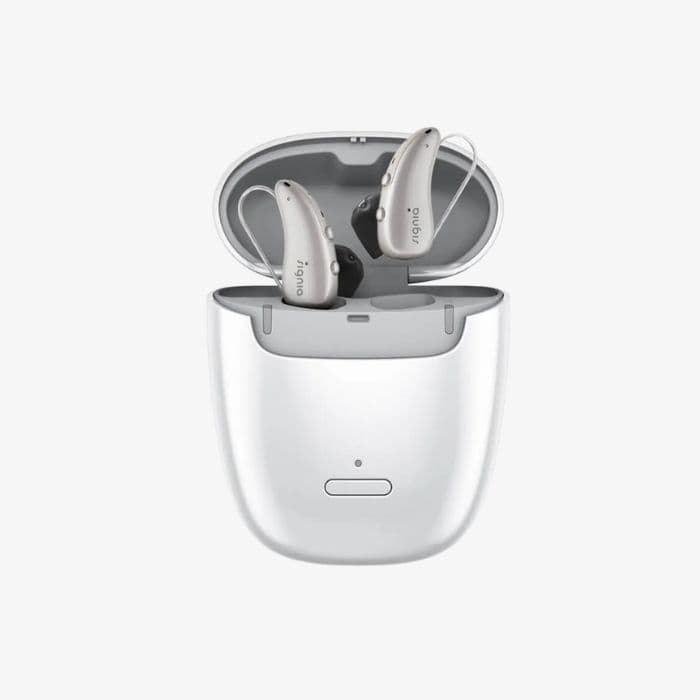
Signia (German Hearing Aids)
- Rooted in Siemens’ engineering heritage, Signia emphasizes precision, miniaturization, and user‑centric design.
- Their philosophy revolves around augmenting natural hearing, not just amplifying sound.
- Signia focuses heavily on AI‑driven personalization, real‑time processing, and sleek aesthetics.
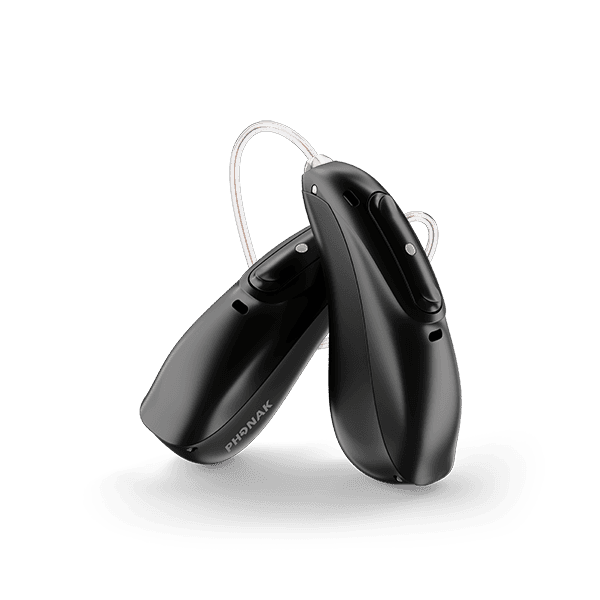
Phonak (Swiss Hearing Aids)
- Phonak’s Swiss identity is built on reliability, stability, and universal accessibility.
- Their philosophy prioritizes speech understanding in every environment, especially challenging ones.
- Phonak invests deeply in ecosystem thinking—connectivity, accessories, pediatric solutions, and durability.
Neutral takeaway:
Signia leans toward innovation and user experience; Phonak leans toward consistency and speech‑focused engineering.
Key Breakthroughs Over Their History
Signia / Siemens Milestones
- 1878–1900s: Siemens pioneers early electrical hearing devices.
- 1950s–1990s: Advances in miniaturization and behind‑the‑ear designs.
- 2016: Signia brand launched with a modern identity.
- 2020s: Introduction of Augmented Xperience (AX) and now Integrated Xperience (IX)—AI‑powered platforms that separate speech and background noise in real time.
Phonak Milestones
- 1947: Phonak founded in Switzerland.
- 1970s–1990s: Leadership in FM systems and pediatric hearing solutions.
- 2018: Launch of Marvel, the first universal Bluetooth streaming platform.
- 2020s: Evolution to Paradise, Lumity, and now Infino Sphere, focusing on speech clarity through adaptive directional processing.
Neutral takeaway:
Signia’s breakthroughs center around AI and sound processing architecture, while Phonak’s revolve around connectivity and speech‑in‑noise leadership.
Technological Advances: How Their Platforms Evolved
Signia’s Technology Evolution
- NX → X → AX → IX
- Focus on split‑processing, where speech and environment are processed separately.
- Strong emphasis on AI‑based personalization, Own Voice Processing (OVP), and rechargeable form factors.
Phonak’s Technology Evolution
- Marvel → Paradise → Lumity → Infino Sphere
- Focus on directional microphones, universal Bluetooth, and AutoSense OS—a system that automatically adapts to environments.
- Known for robust connectivity and ecosystem accessories.
Neutral takeaway:
Signia pushes boundaries in AI‑driven sound processing; Phonak refines proven speech‑focused algorithms and connectivity.
Signia 7IX vs Phonak Audeo Infino Sphere 90: A Head‑to‑Head Comparison
Below is a neutral, patient‑friendly comparison of their latest flagship technologies.
1. Core Processing Philosophy
Signia 7IX (Integrated Xperience)
- Uses RealTime Conversation Enhancement—tracks multiple speakers in real time.
- Designed for dynamic group conversations.
- AI engine adapts instantly as people move or turn their heads.
Phonak Audeo Infino Sphere 90
- Built on AutoSense OS 5.0, optimized for speech clarity.
- Uses Sphere technology to maintain stable speech focus even in noisy environments.
- Prioritizes consistent speech understanding over dynamic tracking.
Neutral view:
Signia excels in multi‑speaker, moving conversations; Phonak excels in steady speech‑in‑noise performance.
2. Sound Processing & Noise Management
Signia 7IX
- Split‑processing architecture separates speech and noise.
- Strong performance in complex, fast‑changing environments.
- Own Voice Processing improves comfort for first‑time users.
Phonak Sphere 90
- Adaptive directional microphones with strong noise suppression.
- Excellent for restaurants, traffic, and steady background noise.
- Proven stability for long-term users.
Neutral view:
Signia is more dynamic; Phonak is more stable and predictable.
3. Connectivity & App Experience
Signia
- Bluetooth LE Audio (in supported phones).
- Signia App offers AI‑based assistant and remote adjustments.
- Good for users who prefer guided personalization.
Phonak
- Universal Bluetooth—connects to almost any smartphone.
- Strong accessory ecosystem (Roger systems, TV connectors).
- Ideal for users who prioritize connectivity above all.
Neutral view:
Signia offers smarter personalization; Phonak offers broader compatibility.
4. Battery & Form Factors
Both brands offer:
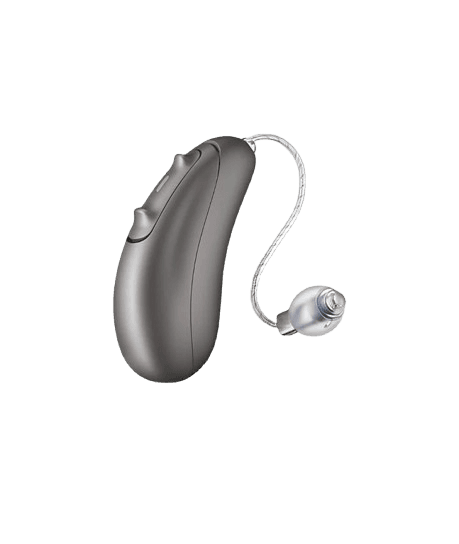
- Rechargeable RICs
- Slim designs
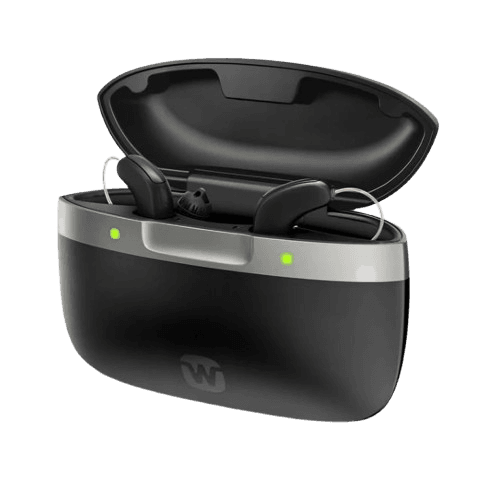
- Portable chargers
Signia tends to push sleeker designs, while Phonak focuses on durability and consistency.
5. Who Each Brand Suits Best (Neutral Guidance)
Signia 7IX may suit:
- Users in dynamic social settings
- People who want AI‑driven personalization
- Those sensitive to their own voice
Phonak Sphere 90 may suit:
- Users who prioritize speech clarity
- People who need universal Bluetooth
- Those who prefer a stable, predictable sound profile
Conclusion: German Hearing Aids vs Swiss Hearing Aids
Both Signia and Phonak are global leaders with distinct strengths:
- Signia (German Hearing Aids) → Innovation, AI, dynamic conversation handling
- Phonak (Swiss Hearing Aids) → Reliability, connectivity, speech‑in‑noise excellence
The “better” choice depends entirely on the user’s lifestyle, hearing profile, and comfort preferences. A professional hearing test and real‑world trial remain the best way to decide.
FAQs
1. What is the core difference between Signia and Phonak hearing aids?
Signia focuses on AI‑driven personalization and dynamic conversation handling.
Phonak focuses on stable speech clarity and universal Bluetooth connectivity.
Both are premium global brands but follow different engineering philosophies.
2. Why are Signia called German Hearing Aids and Phonak called Swiss Hearing Aids?
Signia’s roots come from Siemens, a German engineering giant.
Phonak was founded and developed in Switzerland, known for precision and reliability.
Their national identities reflect their design approach and brand heritage.
3. Which brand performs better in noisy environments?
Both excel, but in different ways:
- Phonak Sphere 90 is stronger in steady noise like restaurants or traffic.
- Signia 7IX is stronger in dynamic noise where people move or talk from different directions.
4. What makes Signia 7IX unique?
Signia 7IX uses RealTime Conversation Enhancement, which tracks multiple speakers as they move.
It is ideal for:
- Group conversations
- Social gatherings
- Users who want AI‑based personalization
- People sensitive to their own voice (thanks to OVP)
5. What makes Phonak Audeo Infino Sphere 90 unique?
Phonak Sphere 90 is built on AutoSense OS 5.0, designed for consistent speech clarity.
It is ideal for:
- Noisy restaurants
- Outdoor environments
- Users who want universal Bluetooth
- People who prefer predictable, stable sound
6. Which brand has better Bluetooth connectivity?
Phonak.
Phonak offers universal Bluetooth, connecting to almost any smartphone or device.
Signia supports Bluetooth LE Audio, which is excellent but depends on phone compatibility.
7. Which hearing aid is better for first‑time users?
Both are suitable, but:
- Signia may feel more natural due to Own Voice Processing.
- Phonak may feel more familiar due to stable sound and easy connectivity.
8. Do both Signia and Phonak offer rechargeable hearing aids?
Yes.
Both brands offer:
- Rechargeable RIC models
- Portable chargers
- Slim, modern designs
Signia tends to focus on sleek aesthetics, while Phonak emphasizes durability.
9. Which hearing aid is better for group conversations?
Signia 7IX.
Its multi‑speaker tracking and real‑time AI make it ideal for dynamic group interactions.
10. Which hearing aid is better for phone calls and streaming?
Phonak.
Its universal Bluetooth and strong accessory ecosystem (like Roger systems) make it the top choice for connectivity.
11. Are both brands suitable for all levels of hearing loss?
Yes.
Both Signia and Phonak offer solutions for:
- Mild to severe hearing loss
- Adults and seniors
- Pediatric users (Phonak has a stronger pediatric ecosystem)
12. How have Signia and Phonak evolved technologically?
- Signia evolved from NX → X → AX → IX, focusing on AI and split‑processing.
- Phonak evolved from Marvel → Paradise → Lumity → Infino Sphere, focusing on speech clarity and connectivity.
13. Which brand is more expensive?
Both brands offer premium, mid‑range, and essential models.
Pricing is similar at the top tier (Signia 7IX vs Phonak Sphere 90).
The right choice depends more on lifestyle than price.
14. Do both brands support remote adjustments?
Yes.
- Signia App includes an AI assistant and remote fine‑tuning.
- Phonak App offers remote support and device management.
15. Which is better overall: German or Swiss hearing aids?
There is no universal “best.”
- Signia is ideal for dynamic conversations and AI personalization.
- Phonak is ideal for speech clarity and connectivity.
A professional hearing test and real‑world trial are the best ways to choose.