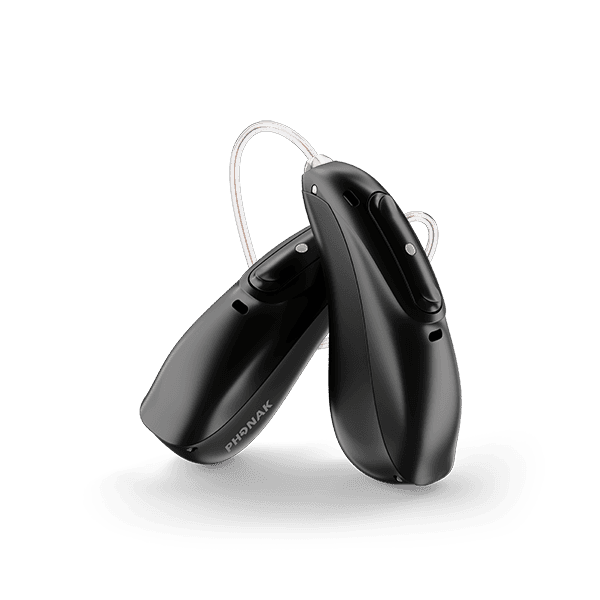
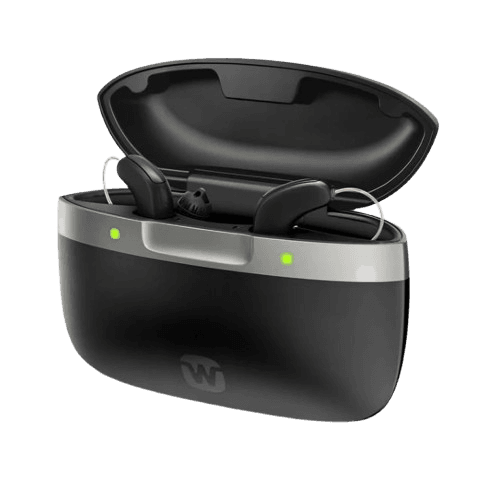
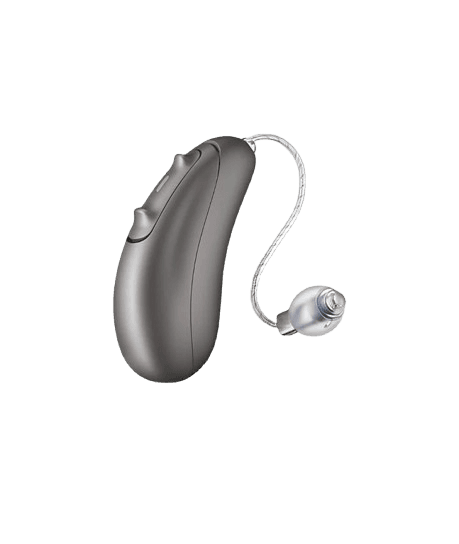
A more natural, effortless hearing experience is becoming possible because modern AI hearing aids learn from the way each person lives, listens, and moves. For patients at Fairfield Hearing Clinics, this means hearing aids that quietly adapt in the background, reducing the need for manual adjustments and making every day listening feel smoother and more comfortable.
How AI Hearing Aids Learn From Daily Use
Today’s AI‑enabled hearing aids use machine learning to observe small, non‑identifying patterns in everyday listening. Over time, these patterns help the device understand the wearer’s lifestyle and preferences.
They typically learn:
- Duration of usage — how long the hearing aids are worn each day, helping the system understand routine listening habits.
- Volume changes — if the wearer frequently increases or decreases volume in certain environments, the device begins adjusting automatically.
- Listening environments — quiet rooms, conversations, traffic, restaurants, or loud gatherings.
- Program usage — if multiple programs are set (such as “speech in noise” or “music”), the hearing aid tracks which ones are used most.
- Movement and direction — sensors detect whether the wearer is walking, sitting, turning their head, or in motion, helping the microphones respond more naturally.
All of this learning happens automatically, without any extra effort from the patient.
How Machine Learning Improves Sound Quality
Machine learning allows the hearing aid to recognize patterns and make decisions that feel intuitive and human‑like.
Automatic fine‑tuning
If the wearer always increases volume in busy markets or crowded areas, the hearing aid learns to do this automatically whenever similar noise levels are detected.
Smarter noise reduction
AI can separate speech from background noise more accurately than traditional systems. This leads to clearer conversations, less listening effort, and reduced fatigue—especially helpful for patients who spend time in social or work environments.
Natural directionality
By sensing head and body movement, the hearing aid can decide whether to focus on a single speaker or open up to surrounding sounds. This creates a more natural listening experience, especially in group conversations.
Lifestyle‑based adaptation
Someone who spends more time outdoors will receive different automatic adjustments compared to someone who spends most of their day in meetings or at home. The hearing aid gradually shapes itself around the patient’s real life.
Why AI Hearing Aids Feel More Natural
Patients at Fairfield Hearing Clinics often describe AI‑enabled hearing aids as “wear them and forget them” devices because they reduce the need for constant adjustments.
They feel more natural because:
- sound changes smoothly instead of suddenly
- speech stays clear even in unpredictable environments
- the device reacts to the wearer’s movement, not just the noise level
- the hearing aid becomes more accurate the longer it is used
Over time, the device behaves less like a machine and more like a supportive listening companion.
What This Means for Patients at Fairfield Hearing Clinics
For most people, the biggest benefit is comfort and confidence. AI hearing aids help patients:
- hear clearly in more places
- avoid constant fiddling with buttons
- enjoy conversations without strain
- feel more connected to daily life
At Fairfield Hearing Clinics, these advancements allow patients to experience hearing that feels more natural, more personalized, and more in tune with their everyday world.